What Elon Musk and SpaceX can teach us about thinking bigger, taking risks and refusing to accept the status quo.
Most entrepreneurs dream about the big exit.
Sell the company. Cash the check. Buy the house. Take the vacation. Maybe finally stop checking email before breakfast.
Elon Musk apparently missed that memo.
Long before SpaceX, Tesla or rockets that could land themselves back on Earth, Musk was building an internet company called Zip2 with his brother, Kimbal.
When Compaq acquired Zip2 in 1999, Musk reportedly walked away with about $22 million.
Not bad for a first act.
At 27, yes, 27… he could have bought a very nice house, made some very safe investments and called himself a successful entrepreneur for the rest of his life. Instead, he took millions of that money and put it into his next idea, X.com.
Yes, X.com. Sound familiar?
But this was 1999, long before X became the place we go for breaking news, public debate, trending topics and, depending on the day, a healthy dose of controversy.
Musk’s original X.com was an online financial services company, essentially an early attempt to rethink how we bank and move money online. And remember, this was 1999. Most of us were still listening to the screech of dial-up internet and being warned never to give our credit card number to strangers online.
Musk was betting that someday we’d do exactly that.
X.com eventually merged with Confinity, the company behind a little payment service you may have heard of called PayPal.
When eBay acquired PayPal in 2002 for $1.5 billion, Musk, its largest shareholder, walked away with roughly $175 million.
Okay, now you retire, right?
Apparently not.
He looked up.
Literally.
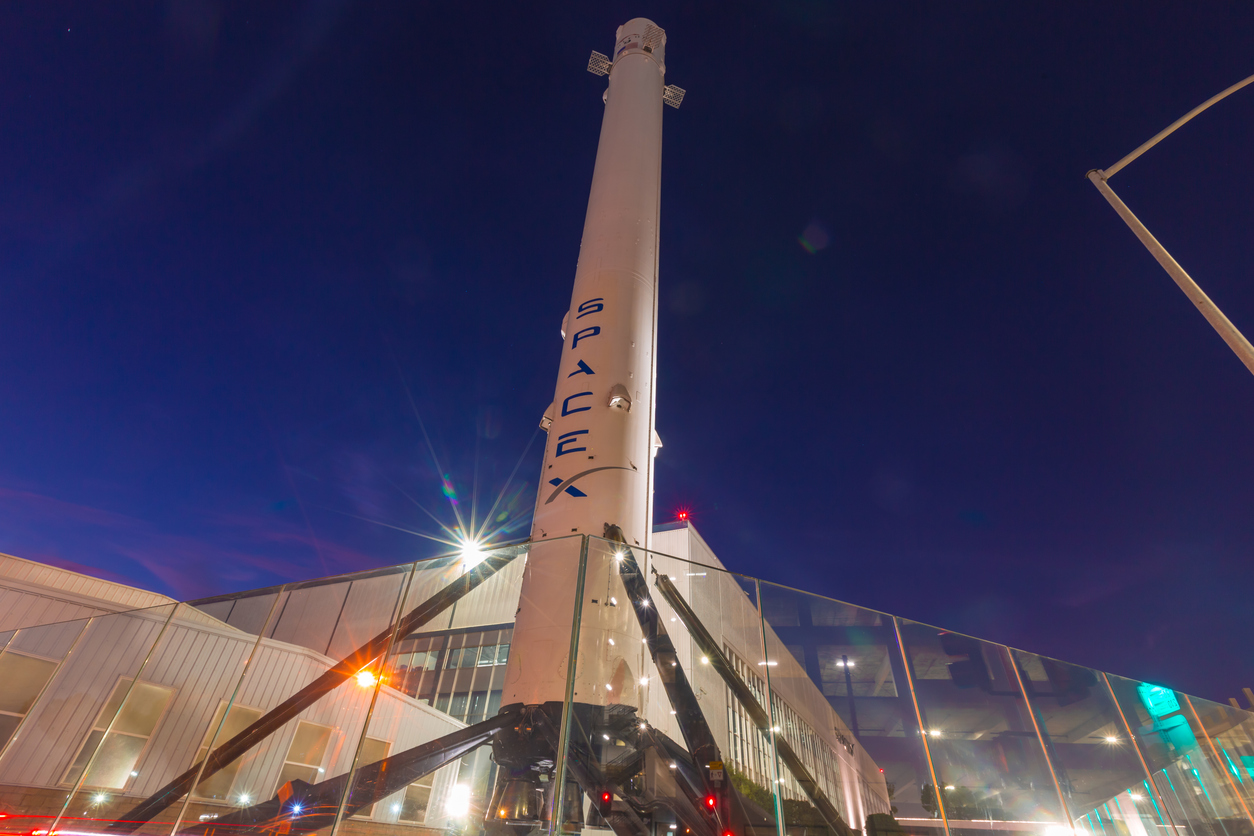
Musk founded SpaceX in 2002 with an ambition that sounded somewhere between wildly optimistic and completely crazy: dramatically reduce the cost of space travel and eventually help make humanity a multiplanetary species.
Let that career trajectory sink in for a minute.
Online directories. Digital payments. Mars.
There was no obvious roadmap connecting those dots. No business book suggesting that after selling your internet company, the logical next move was to start building rockets.
And maybe that’s precisely the point.
The biggest opportunities don’t always live on the path everyone else is already walking.
Truth be told, that’s what fascinates me most about Musk’s entrepreneurial story.
You don’t have to agree with everything he says, posts or does to appreciate the audacity of looking at an industry dominated by governments and aerospace giants and asking a deceptively simple question:
Why can’t we do this differently?
As it turns out, they could.
Of course, it wasn’t exactly a straight shot to the stars.
SpaceX’s first three Falcon 1 launches failed. By 2008, the company was running out of money, and Musk was facing the very real possibility that his enormous bet wasn’t going to work.
The fourth launch succeeded.
Falcon 1 became the first privately developed liquid-fueled rocket to reach orbit. SpaceX would go on to become the first private company to send a spacecraft to the International Space Station and later helped return human spaceflight to American soil.
Not exactly your typical startup journey.
Musk once described entrepreneurship as being like “eating glass and staring into the abyss.”
After more than 25 years of running my own business, that line makes me laugh because, well… most entrepreneurs can relate.
Entrepreneurship sounds much sexier from the outside.
People see the announcements, the wins, the clients, the launches and the celebrations. They don’t necessarily see the 2 a.m. worries, the ideas that went nowhere, the risks that seemed brilliant on Monday and slightly terrifying by Friday, all the missed weekends off, or all those moments when you’re thinking, What exactly have I gotten myself into?
My version has never involved rockets exploding on launchpads, thankfully. But I do understand the stresses and sacrifices of entrepreneurship.
And the larger lesson: there isn’t always a roadmap.
Sometimes you have to build it yourself.
And that’s where the SpaceX story becomes a leadership story.
Musk could have taken his first win and protected it. Instead, he used it to fund the next idea. Then he took that success and aimed exponentially higher.
Literally, in this case.
There’s something inspiring about that.
Success has a funny way of making us more cautious. Once we have something to lose, we’re often less willing to risk it. We start protecting what we’ve built instead of asking what else we could build.
Maybe that’s the real leadership lesson here.
Don’t let success make you too comfortable to take the next risk.
Question the assumptions everyone else has stopped questioning. Walk into rooms where you’re not the obvious expert. And don’t confuse “this is how it’s always been done” with “this is how it has to be done.”
SpaceX wants to make humanity multiplanetary. Most of us can probably set the bar slightly lower.
But it does make me wonder…
What would we attempt if we stopped worrying quite so much about whether it was the way things were supposed to be done?
Maybe we don’t all need to get to Mars.
But we could probably afford to shoot for the moon a little more often.